Why Fat Loss Feels Harder for High Performers—and How Metabolism Changes the Equation
When Discipline Stops Working
Many high performers assume that fat loss is a simple equation: eat less, move more, stay consistent. And for a while, that approach works.
Then it doesn’t.
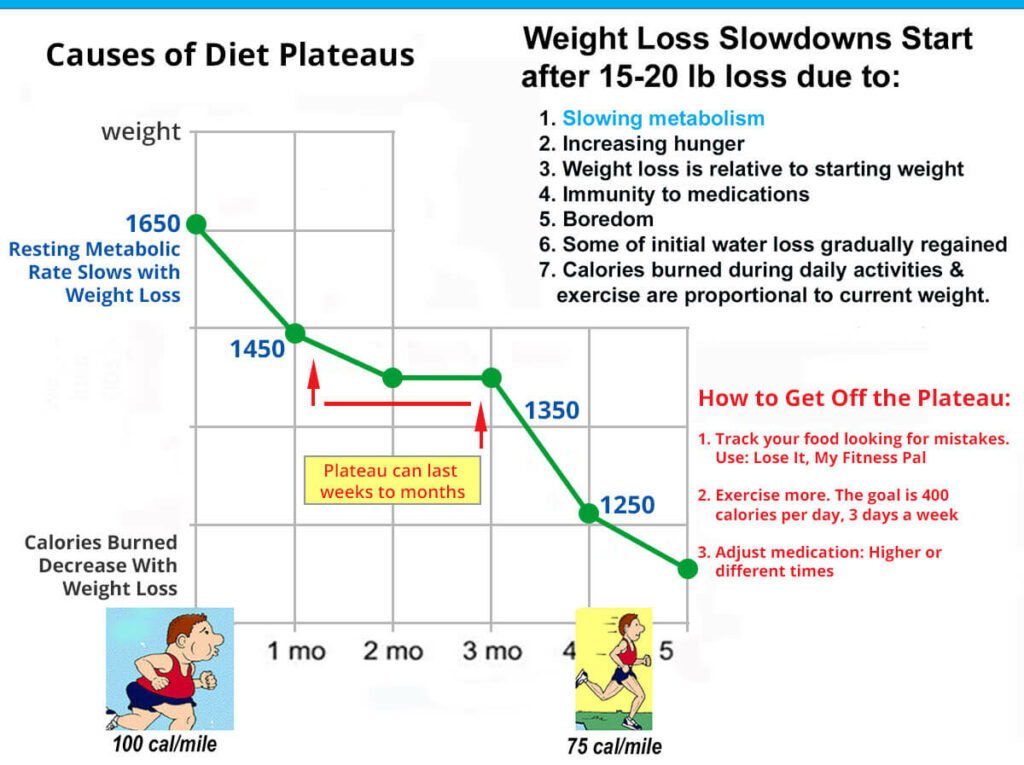
Despite disciplined habits, fat loss stalls. The scale refuses to move. Energy drops. Training feels harder. Recovery slows. This isn’t a motivation issue—it’s a metabolic adaptation.
Why High Performers Are More Prone to Fat Loss Resistance
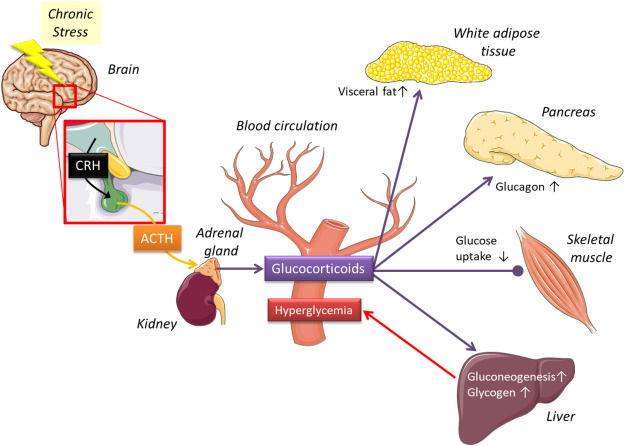
Ambitious professionals often live in a state of chronic output—mentally, physically, and emotionally. Over time, this creates a biological environment where fat loss becomes harder, not easier.
Key contributors include:
Persistent stress signaling
Inadequate recovery relative to demand
Energy restriction layered on top of cognitive load
Training without metabolic support
The body adapts by conserving energy, not releasing fat.
Fat Loss Is a Metabolic Output, Not a Moral Victory
Fat loss is not a reward for discipline.
It’s a signal that metabolism is functioning efficiently.
When metabolic health is compromised:
Calories are conserved
Energy expenditure adapts downward
Fat becomes biologically protected
Pushing harder often worsens the problem by increasing stress and reducing recovery.
The Role of Metabolic Efficiency
Sustainable fat loss depends on:
Stable energy availability
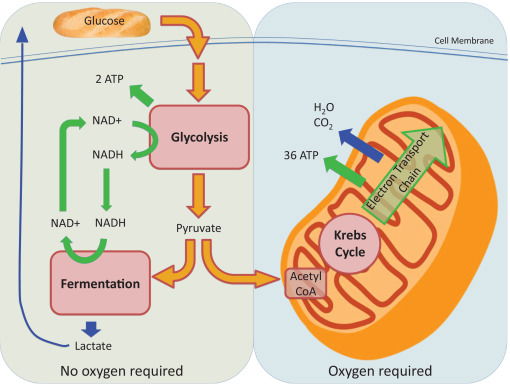
Healthy mitochondrial function
Appropriate hormonal signaling
Adequate recovery and sleep
When these systems are aligned, fat loss becomes a byproduct rather than a battle.
Why Extreme Diets Backfire
Aggressive calorie restriction and extreme training create short-term results at the expense of long-term metabolic health.
Common outcomes include:
Increased fatigue
Hormonal disruption
Reduced training performance
Rebound fat gain
For high performers, this approach undermines both health and productivity.
A Better Strategy: Metabolic Alignment
Optimizing metabolism means:
Matching fuel intake to real demand
Supporting recovery as seriously as output
Reducing unnecessary metabolic stress
Prioritizing consistency over intensity
This approach restores fat loss responsiveness while preserving energy, focus, and performance.
What Changes When Fat Loss Becomes Metabolic
When fat loss is supported metabolically:
Progress feels steadier
Energy improves instead of declining
Training enhances performance rather than depleting it
Results last without constant vigilance
This is the difference between forcing change and allowing biology to cooperate.
Fat Loss Should Support Performance, Not Compete With It
For high performers, fat loss must enhance life—not consume it.
When metabolism is aligned, fat loss becomes sustainable, predictable, and compatible with demanding careers and ambitious goals.
The goal isn’t to push harder.
It’s to build a system that works with you.