Metabolic Mastery: The Foundation of Energy, Focus, and High Performance
Introduction: Why High Performers Still Feel Stuck
If you’re an ambitious professional, chances are you’re already doing many things “right.” You eat reasonably well, exercise when you can, aim for decent sleep, and push hard at work. Yet despite your effort, something feels off.
Energy fluctuates unpredictably.
Focus fades faster than it should.
Fat loss feels harder than expected.
This disconnect isn’t a failure of discipline or intelligence. It’s a misunderstanding of the system that governs all of it: metabolism.
What Metabolism Really Is (And Why It’s Misunderstood)
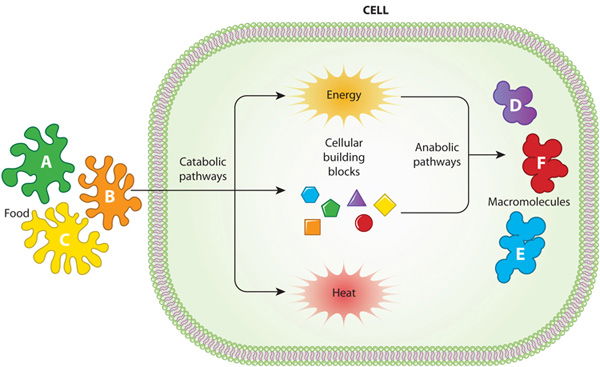
Metabolism is often reduced to a calorie-burning concept or a weight-loss metric. In reality, metabolism is the set of biochemical processes that determine how efficiently your body converts inputs—food, oxygen, stress, and sleep—into usable energy.
It directly influences:
How steady your energy feels across the day
How resilient your focus is under cognitive load
How well your body adapts to training
How effectively you recover from stress
When metabolism works well, performance feels stable and repeatable. When it doesn’t, even small demands feel costly.
The Problem With Fragmented Health Advice
Most health and performance advice treats symptoms as isolated problems:
Fat loss programs focus on calories without addressing energy regulation
Productivity advice ignores physiology altogether
Fitness plans overlook stress, recovery, and cognitive demand
But energy crashes, brain fog, stubborn fat, and burnout are not separate issues. They are downstream expressions of the same underlying metabolic constraints.
Optimizing one area while ignoring the others leads to constant friction—and diminishing returns.
Metabolic Mastery: A Systems-Level Approach
Metabolic mastery is the practice of optimizing the biological systems that power everything you do. Rather than chasing hacks or extremes, it focuses on improving efficiency and alignment at the cellular level.
This includes:
Stabilizing energy availability throughout the day
Supporting mitochondrial function (your cells’ energy engines)
Reducing unnecessary metabolic stress
Aligning nutrition, movement, and recovery with real biological demand
The goal is not intensity—it’s reliability.
Why Willpower Isn’t a Sustainable Strategy
Many high performers rely on willpower, caffeine, and discipline to compensate for metabolic instability. While this works in the short term, it comes at a cost.
Over time:
Stress hormones rise
Recovery becomes less effective
Focus requires more effort
Performance becomes fragile
When biology is misaligned, effort stops producing proportional results.
True high performance doesn’t feel forced. It feels supported.
What Changes When Metabolism Is Optimized
When the metabolic system is working properly:
Energy becomes predictable, not conditional
Focus doesn’t disappear after meals or meetings
The body responds to effort instead of resisting it
Cognitive clarity improves under pressure
Long-term health and performance reinforce each other
This is the difference between constantly managing symptoms and building a foundation that compounds.
Metabolic Mastery Is Learnable
There’s nothing mysterious or extreme about metabolic optimization. It doesn’t require perfection, restriction, or biohacking theatrics.
It requires:
Understanding which levers matter
Applying small, high-impact changes consistently
Measuring success by stability, not intensity
Once those fundamentals are in place, performance becomes easier—not harder.
Final Thought: Performance Is a Biological State
High performance isn’t about doing more.
It’s about removing friction between effort and results.
Metabolism is the system that determines how much energy, focus, and resilience you have available to meet the demands of your life. Optimize that system, and everything downstream—health, productivity, and longevity—begins to align.
The Problem With Fragmented Health Advice
Most health and performance advice treats symptoms as isolated problems:
Fat loss programs focus on calories without addressing energy regulation
Productivity advice ignores physiology altogether
Fitness plans overlook stress, recovery, and cognitive demand
But energy crashes, brain fog, stubborn fat, and burnout are not separate issues. They are downstream expressions of the same underlying metabolic constraints.
Optimizing one area while ignoring the others leads to constant friction—and diminishing returns.
Metabolic Mastery: A Systems-Level Approach
Metabolic mastery is the practice of optimizing the biological systems that power everything you do. Rather than chasing hacks or extremes, it focuses on improving efficiency and alignment at the cellular level.
This includes:
Stabilizing energy availability throughout the day
Supporting mitochondrial function (your cells’ energy engines)
Reducing unnecessary metabolic stress
Aligning nutrition, movement, and recovery with real biological demand
The goal is not intensity—it’s reliability.
Why Willpower Isn’t a Sustainable Strategy
Many high performers rely on willpower, caffeine, and discipline to compensate for metabolic instability. While this works in the short term, it comes at a cost.
Over time:
Stress hormones rise
Recovery becomes less effective
Focus requires more effort
Performance becomes fragile
When biology is misaligned, effort stops producing proportional results.
True high performance doesn’t feel forced. It feels supported.